Dimona Yaneva
Burgas State University “Prof. Dr. Assen Zlatarov” (Bulgaria)
https://doi.org/10.53656/ped2026-2s.03
Abstract. This paper presents the pedagogical attitudes towards the use of games as an educational tool in preschool and primary school education. A survey conducted among practicing teachers examined and analyzed their perceptions regarding the role of game-based methods in the learning process, their effectiveness, applicability, and influence on children’s and pupils’ motivation and socio-emotional development. The results indicate that the majority of the surveyed educational specialists perceive games as a significant resource for stimulating interest in learning, fostering creativity, communicative skills, and critical thinking. The study highlights the need for targeted teacher training in the application of game-based approaches, the provision of methodological support, and the creation of a favorable educational environment that encourages the integration of play as a natural part of the educational process.
Keywords: games, educational process, preschool age, primary school age, functional literacy, digital competence
Introduction
Education in preschool and primary school plays a crucial role in shaping the skills and attitudes necessary for full participation in social and cultural life. At this stage of children’s development, teaching must be adapted to their age-specific characteristics, with priority given to approaches that engage their activity and imagination.
Learning through play has been established as a particularly appropriate and effective method that combines cognitive activity with emotional experience and social interaction. Play offers opportunities for learning through action and collaboration, while simultaneously supporting the child’s overall development. It creates conditions for the formation of key competences within a positive, supportive, and motivating environment.
Despite the potential of game-based methods, their actual effectiveness largely depends on teachers’ professional attitudes towards this type of instruction. The present study aims to examine the attitudes of preschool and primary school teachers regarding the use of games in pedagogical practice, how they perceive the role of play, and the extent to which they integrate it into their work. Through a survey, the study seeks answers to questions related to the frequency and methods of implementing games, the effectiveness of their use, as well as existing challenges and needs expressed by educators. The research aims to outline the current state of game integration in educational practice and to propose opportunities for improving pedagogical approaches in preschool and primary school education.
Theoretical Rationale of the Problem
The primary goal of preschool and primary education is to prepare children and young pupils for active and meaningful participation in life. It goes beyond the acquisition of knowledge, emphasizing the development of skills needed to address the challenges of the modern world (Vasileva, 2007). In this context, innovative approaches are gaining increasing importance, among which learning through play holds a special place. This approach stimulates children’s interest and supports their cognitive, emotional, and social development.
Preschool age represents a key stage in building these skills. The kindergarten plays a significant role in fostering functional literacy through games and targeted pedagogical activities (Dimitrova, 2021). Educational games create familiar and accessible situations that encourage children to participate actively in the educational process. Through play, they learn with interest and motivation, independently discovering and acquiring new knowledge (Dimitrova, 2019).
A smooth transition to school education requires not only the accumulation of knowledge but also the development of psychological and social readiness. When preschool children have the opportunity to learn through play, they not only master educational content but also develop self-regulation, attention, cooperation, and problem-solving skills – abilities that facilitate their adaptation to primary school.
Although in primary school play is no longer the leading activity, it remains important for sustaining pupils’ motivation, interest, and engagement. During this period, which Jean Piaget defines as the “stage of concrete operations,” children’s thinking becomes more flexible, logical, and capable of handling concrete concepts and regularities (Salkind, 2002). Nevertheless, they still require experiences linked to real-life situations and a playful context to internalize new knowledge. Game elements in the learning process act as a bridge between children’s spontaneity and the formal requirements of school education.
Methodology
Within the framework of the outlined theoretical background, the need arises for an empirical study of teachers’ attitudes towards the use of games in the educational process at preschool and primary school levels. To determine how game-based approaches are actually perceived and implemented in educational practice, a survey was conducted among teachers working in the preschool and primary education system in Bulgaria.
The analysis is based on the participation of 328 pedagogical specialists from across the country. The study was carried out through an online questionnaire created using Microsoft Office 365 Forms. It included both closed and open-ended questions addressing various aspects of using games as an educational tool.
The questionnaire was designed to collect information regarding the frequency of game use in the educational process, preferred types of games, and possible difficulties teachers encounter when implementing them. It also examined the need for additional materials and resources, as well as the degree of accessibility to such resources under different institutional conditions. Special attention was devoted to the use of information technologies-such as the integration of interactive platforms, educational applications and software, and programmable devices, which are increasingly used in innovative teaching.
The survey additionally included questions about participants’ age, the location of the institution where they work, the type of institution, and their teaching experience. These demographic characteristics enable a more precise analysis and allow for the identification of relationships between teachers’ experience, work context, and their attitudes towards game-based approaches in education.
The design and implementation of the study on teachers’ attitudes towards the use of games in the educational process followed several consecutive stages:
- Preparatory stage – This stage involved a theoretical review of existing literature and practices related to the use of games in preschool and primary school education. Based on this review, the main objectives and tasks of the study were formulated. The questionnaire was developed and then converted into a digital format to facilitate distribution and accessibility.
- Empirical stage – During this stage, the survey was conducted among teachers working in preschool and primary school education in various locations across the country. Data collection was carried out online, and participation in the survey was anonymous and voluntary. The sample included 328 respondents at the time of analysis, with the questionnaire remaining active.
- Analysis of results – After collecting the primary data, both quantitative and qualitative analyses were conducted. The data were processed in accordance with the main research questions, and trends, recurring responses, and significant differences in attitudes were identified.
- Conclusions – Based on the analysis, recommendations were formulated to improve pedagogical practice related to the use of games in teaching. The study provides grounds for developing proposals aimed at methodological support, enhancing teachers’ qualifications, and promoting more effective integration of educational technologies and game-based resources in early education. If needed, and with an expanded sample, additional modifications or additions to the survey instrument may be made.
Analysis of Results
To determine the extent to which game-based methods are integrated into pedagogical practice, survey participants indicated how often they use games in the educational process. The aim is to outline the actual frequency of implementing game-based activities in the work of teachers in preschool and primary school education. Respondents could choose from options ranging from “every day” to “do not use”.
The results (Fig. 1) show that a significant proportion of respondents use games frequently: 38%-every day, and 36%-several times a week. This indicates that the majority incorporate games at least once a week, reflecting their stable presence in educational practice. The options “once a week” and “less often” were selected by 12% and 11% respectively, while only 3% reported not using games, confirming the generally positive attitude of educational professionals towards game-based approaches.
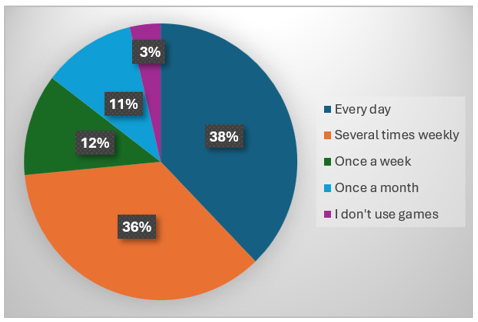
Figure 1. Frequency of game use in the educational process (%)
To identify the types of games most frequently used by teachers in preschool and primary school education, participants were allowed to select more than one response. This approach makes it possible to determine the preferred forms of game-based activities and their role in the educational process.
The data (Fig. 2) indicate that digital and movement-based games are the most commonly used, each reported by 28% of respondents. These are followed by role-playing games at 24%, which play an important role in developing communication and social skills. Board games are used by 17% of respondents and contribute to the development of logical thinking and problem-solving abilities.
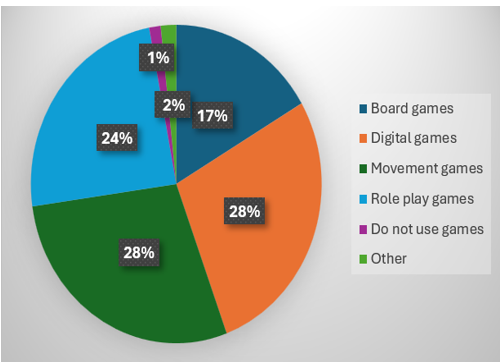
Figure 2. Types of games most frequently used (multiple responses allowed)
For this question, respondents were able to select more than one answer. The results confirm that teachers apply a variety of game-based approaches, combining traditional and modern resources according to the age, interests, and needs of the children. Particularly noteworthy is the high level of integration of digital games, indicating a readiness to adapt to the technological possibilities of contemporary education.
To identify potential barriers to the use of games, participants were asked whether they encounter difficulties in implementing them. The results (Fig. 3) show that 53% do not experience such difficulties, suggesting that game-based approaches are well-known and relatively easy to integrate. Conversely, 47% report challenges, related to factors such as limited resources or lack of time. Although most educators feel confident in applying games, a significant proportion require additional support to enhance the effectiveness and sustainability of game-based methods.
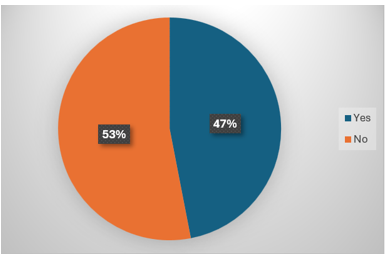
Figure 3. Difficulties encountered in using games in practice
In addition to the question regarding difficulties in implementing games, surveyed teachers were invited to specify the particular obstacles they encounter (Fig. 4). The most frequently cited challenge is the lack of time, associated with an intensive curriculum, administrative workload, and the need to achieve educational objectives within a limited timeframe. The second most common barrier is the lack of sufficient resources – such as educational materials, technological equipment, and a variety of game-related tools. Furthermore, the absence of a clear methodological framework and practical guidelines also hinders the planning and implementation of game-based activities.
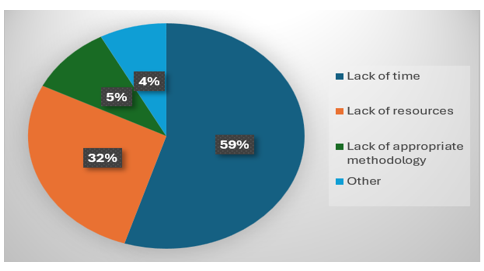
Figure 4. Types of difficulties encountered in applying games
The purpose of the question “Do you develop additional educational resources and games?” is to determine the extent to which teachers actively create their own materials and games tailored to the needs of children/students (Fig. 5). The responses provide insight into the initiative and adaptability of educational professionals to the demands of contemporary education.
The results show that a significant proportion of respondents (78%) develop additional educational resources. This can be viewed as an indicator of high engagement and professional activity, as well as a commitment to personalizing instructional content and teaching methods. The creation of original materials often reflects the need to supplement or adapt existing resources to the specific interests and characteristics of the children.
Conversely, 22% of respondents report not developing such resources, which may be due to a lack of time, methodological preparation, or technical skills. This proportion corresponds to the previously mentioned challenges related to resource availability and the need for support.
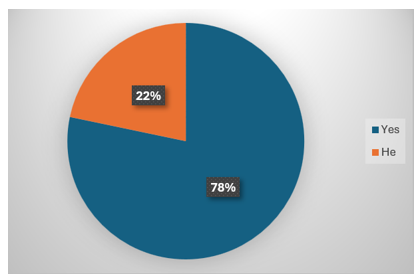
Figure 5. Development of additional educational resources and games for children/students
The availability of appropriate materials and resources is essential for the effective implementation of game-based methods in pedagogical practice. The question “Do you have access to sufficient materials and resources for conducting games?” (Fig. 6) examines whether teachers possess the necessary means to organize and carry out games in the educational process.
The results show that only 37% of respondents report having all the resources needed for implementing game-based activities. This indicates that just over one-third of teachers are fully equipped, which is a relatively low proportion, especially given the high frequency of game use reported in previous questions.
The largest group – 43% state that they have some materials, but they are insufficient. This finding aligns with trends identified in open-ended responses, where many teachers noted creating their own resources to compensate for shortages. A total of 13% report lacking even basic resources, which presents a serious obstacle to the use of game-based methods.
A small but notable share (1%) explicitly state that they do not use games due to a lack of materials, while 3% report not using games at all, regardless of resource availability.
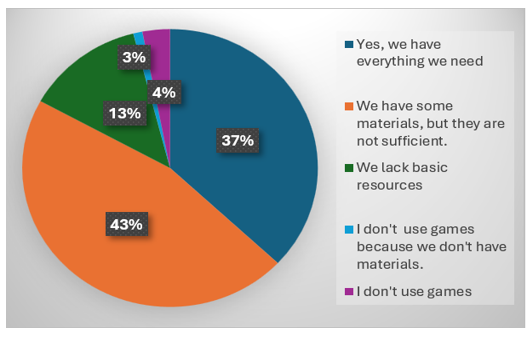
Figure 6. Access to sufficient materials and resources for conducting games
These findings highlight the need for improved material provision in educational institutions, as well as the creation of mechanisms for sharing and accessing high-quality, ready-to-use game-based resources. In the context of contemporary requirements for creativity and active learning, the resource base should be regarded as a key factor for the successful implementation of game-based approaches.
The question “Would you like to have developed resources that would enable you to organize children’s/students’ games more effectively and easily?” (Fig. 7) examines teachers’ need for additional materials to facilitate the use of game-based methods in daily practice.
A total of 93% of respondents indicated that they would like to have ready-made resources to support the organization and delivery of games, thereby saving time and simplifying planning. Only 7% reported no such need, suggesting either sufficient existing resources or a preference for independently developing materials.
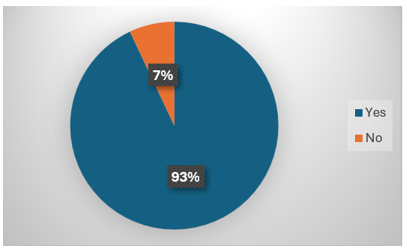
Figure 7. Interest in developed resources for more effective and easier organization of games
These results should be viewed as an indication of the need to develop and provide specialized, methodologically grounded resources tailored to the age-specific characteristics of children and students, educational requirements, and the digital environment. The high proportion of positive responses underscores that teachers not only recognize the benefits of play but also seek ways to apply it more systematically through resource support.
To identify teachers’ specific needs regarding resources for more effective implementation of game-based methods, participants were allowed to select more than one answer to the question: “What resources would you like to have for more effective use of games?”
The results reveal clear priorities related to both the material base and professional support. Physical materials – such as cards, puzzles, and similar resources – were the most frequently mentioned (30%), confirming the ongoing need for diverse and high-quality game-based tools. An equal proportion (30%) expressed interest in digital applications and software, highlighting the importance of modern technologies in education, including interactive platforms, programmable environments, and other digital solutions that foster active learner engagement.
Methodological guidelines and manuals were identified by 19% of respondents, indicating the necessity for clearly structured and applicable strategies for using games for educational purposes. Such resources would facilitate the planning and implementation of game-based activities in alignment with educational goals. Additionally, 18% noted the need for further training, reflecting a desire to enhance professional competence and to become acquainted with new techniques and tools for applying games in teaching.
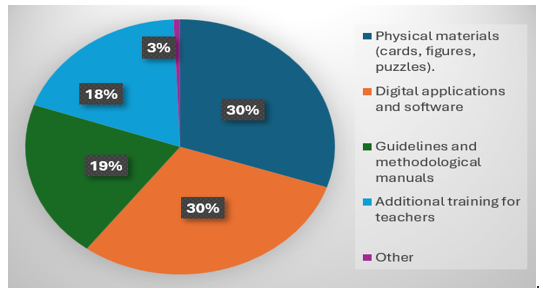
Figure 8. Preferred resources for more effective game implementation
These results emphasize that teachers seek combined support – both material and methodological – which could be achieved through the development of integrated strategies for professional development and the exchange of best practices within the educational system.
Following these questions, the survey moved towards a deeper exploration of teachers’ pedagogical understanding of the impact of games on the development of children/students.
In the educational process, play not only motivates and engages but also contributes to the development of key skills that go beyond the traditional acquisition of knowledge. One of the main educational objectives, particularly significant in the contemporary context, is the development of functional literacy. This concept encompasses an individual’s ability to apply their knowledge in real-life situations, to think critically, to solve problems, and to adapt to a changing environment.
Before assessing the extent to which the surveyed teachers recognize play as a tool for developing functional literacy, they were asked a diagnostic question: “How do you understand the term ‘functional literacy?”
The aim of this question is to reveal how teachers themselves interpret the concept – whether they associate it with basic literacy, with the practical application of knowledge, or with broader cognitive and social skills. The responses allow for an analysis of pedagogical perceptions and the level of awareness regarding one of the key quality indicators in education.
The most frequently observed themes in the responses include:
- Application of knowledge in real-life situations – the most common theme, present in over 70% of responses. Teachers associate functional literacy with the ability of students to use what they have learned in everyday life – for solving real problems, handling specific situations, and making decisions.
- Critical thinking and problem-solving skills – many participants emphasize the importance of analytical and cognitive abilities that enable children to understand, compare, evaluate information, and draw independent conclusions.
- Knowledge transfer and interdisciplinary connections – another set of responses highlights the ability to apply knowledge from one subject area to another, as well as to combine theoretical and practical skills.
- Independence, social, and communication skills – some respondents also view functional literacy as the ability to communicate effectively, work in a team, and adapt to a social environment.
- Limited understanding – despite the prevailing clarity, some participants state that the term is “unclear” to them or that they cannot define it. This indicates a need for further professional awareness-raising and methodological support on the topic.
The next step in the survey was to examine the extent to which teachers associate the term with the use of games in the educational process.
In response to the question, “Do you believe that the use of games in the educational process can significantly improve the functional literacy of children/students?”, 86% of respondents answered “yes,” clearly indicating a high level of awareness regarding the potential of game-based methods. Only 2% believe that games do not contribute to the development of functional literacy, while 12% are unable to make a judgment.
These results suggest that the prevailing view among pedagogical specialists is that games are not merely a form of entertainment but a practical tool for developing applicable skills and knowledge in children.
To determine which aspects of functional literacy are perceived as most strongly influenced by games, participants could choose more than one answer. The data show that teamwork skills were most frequently selected (29%), which is expected given that game scenarios often require cooperation and shared responsibility.
This was followed by problem-solving skills (27%) and communication skills (24%), both of which are actively fostered in a play-based environment, particularly in role-playing games. Critical thinking was chosen by 19% of respondents, indicating that while it is recognized as an important part of functional literacy, it is less frequently associated with a game-based approach. Only 1% selected “other,” without specifying further.
These results reflect teachers’ understanding that games not only support cognitive development but also play a crucial role in the social, emotional, and communicative growth of children.
In the context of modern educational practices, respondents were asked whether they considered the use of information technologies – such as interactive platforms, mobile applications, and educational digital games to be an advantage in developing functional literacy.
The responses reveal a clear positive attitude: 79% of participants believe that technological tools have a positive impact on the development of functional skills. Fifteen percent could not provide a definitive answer, likely due to insufficient practical experience or observation of specific outcomes. Only 6% saw no advantage in using such tools.
These findings indicate that the teaching community recognizes the potential of modern technologies as both a means of modernizing the learning process and a tool for more effectively engaging children with practically applicable knowledge and skills.
To track the actual use of information technologies in pedagogical practice, the survey included a question about their application in the form of interactive platforms, applications, and educational games.
The results show that 72% of surveyed teachers actively use such technological tools in their work. This is a clear indicator of the growing digital culture in education and teachers’ commitment to diversifying the learning process through innovative and interactive resources.
The remaining 28% reported not using information technologies in their practice, which may be due to a variety of factors – lack of appropriate devices, insufficient training, limited access to platforms, or incompatibility with the teaching environment.
These data emphasize the need for targeted support and resources for teachers who have not yet integrated technology into their practice, in order to increase the effectiveness of developing functional literacy in children.
In response to the open-ended question “What information technologies do you use in your practice?”, surveyed educators cited a variety of digital tools and platforms applied in the learning process to enhance motivation, engagement, and the development of functional literacy among children and pupils.
The content analysis of over 200 individual responses revealed several main groups of technologies applied in the educational process:
- Interactive whiteboards/displays – used by approximately 40% of participants, representing the leading tool for visualization and interactive communication.
- Educational platforms and web-based applications, including:
- LearningApps – used by around 25% of respondents;
- Kahoot – mentioned by 20%;
- Wordwall – used by 15%;
- se / Izzi / Akademiko – cited by 15% of participants;
- Additional platforms such as Quizizz, Padlet, Canva, Blooket, Liveworksheets, Flippity – used by 25% of respondents.
- Publishers’ electronic resources – applied by approximately 20% of respondents, either in combination with other platforms or independently, as tools for visualization and individual work.
- Multimedia tools – laptops, projectors, video materials, and presentation software (e.g., PowerPoint, Google Slides) are used by over 25% of respondents, integrating visual, auditory, and textual components into the learning process.
- Programmable devices and robots (e.g., Bee-Bot, Ozobot) – mentioned less frequently but indicative of innovative practices in some educational institutions.
- Artificial intelligence tools – noted by only 4% of respondents, suggesting their early stage of adoption in educational practice.
The analysis shows that despite the absence of a unified framework for the use of ICT in education, pedagogical specialists demonstrate a high degree of autonomy, adaptability, and initiative in selecting digital resources.
In response to the question “Do you use programmable devices in your practice?”, the data indicate that only 25% of surveyed educators incorporate such devices, while 75% do not. This suggests that despite the growing importance of digital technologies and STEM-oriented education, programmable tools have yet to achieve widespread integration into daily teaching practice.
Possible reasons for this low level of use include:
- Lack of adequate infrastructure and technical resources in schools and kindergartens;
- Insufficient teacher training for working with programmable devices;
- Limited access to training and support for integrating such technologies.
Nonetheless, the fact that one-quarter of respondents already use these tools can be seen as a foundation for developing best practices and models for introducing innovative technologies, particularly in the context of fostering functional and digital literacy.
Among those using programmable devices (25% of the total sample), a follow-up open-ended question “Which programmable devices do you use in your practice?” was posed to identify the specific tools applied. The results reveal a wide spectrum, with several dominant categories:
- Most frequently mentioned programmable devices:
- Bee-Bot (programmable bee) – the most cited device, appearing in responses from over 50% of teachers using programmable tools. Its popularity is linked to its accessible interface and suitability for both preschool and early primary education.
- Ozobot, Photon, and Botley – also commonly used, cited in over 20% of responses. These robots employ visual and color-based programming, enabling experiential learning related to logical thinking and project-based activities.
- Micro:bit, Lego WeDo, EV3, Makey Makey – more advanced platforms used in some schools, offering opportunities for higher-level programming, construction, and engineering thinking, mentioned by about 15% of respondents.
- Other tools:
- Scratch, OpenBoard, SmartTest – software and visual programming environments used either in combination with physical devices or independently to develop digital and logical skills.
- Interactive whiteboards, laptops, tablets, and smartphones – frequently cited as supporting technologies in conjunction with programmable resources, though not programmable devices in the strict sense of the term.
The results indicate that Bee-Bot remains the most popular tool among teachers working with programmable technologies, which is consistent with the age group of their students and its adaptability for both preschool and early primary education. Alongside it, devices such as Ozobot, Photon, and Micro:bit show that some institutions are implementing more complex solutions aimed at developing algorithmic thinking, teamwork, and creative problem-solving.
At the same time, the prevalence of responses mentioning only laptops, interactive whiteboards, or generic “robots” highlights the need for greater terminological clarity and methodological support to differentiate between programmable devices and standard digital tools.
For a more comprehensive interpretation of the findings, additional analysis was conducted on key socio-professional characteristics of the surveyed teachers, including age, teaching experience, type of educational institution, and professional qualification according to position held.
Age
The respondents represent a wide age range, with the largest proportion falling within the 46-55 age group (36%), followed by those aged 36-45 (26%). Participants over 55 years of age account for 15%, while those between 26-35 years make up 19%. The smallest share is held by young specialists under the age of 25 (5%). This structure indicates that the sample predominantly consists of established professionals with extensive experience, which contributes to the reliability of the study in terms of pedagogical attitudes and practices.
Teaching experience
Almost half of the participants (48%) have more than 10 years of teaching experience, once again highlighting the prevalence of experienced educators in the sample. Teachers with up to 10 years of experience are distributed as follows: up to 1 year – 9%; up to 3 years – 9%; up to 5 years – 13%; up to 10 years – 20%. An additional 1% indicated “other,” suggesting the presence of specific cases or incomplete data.
Type of institution
The respondents work in different types of educational institutions: kindergartens – 30%; primary schools – 22%; basic schools – 16%; and secondary schools – 32%. The inclusion of teachers from basic and secondary schools is justified by the presence of preschool groups and primary grades within these institutions, making the data relevant to the current study.
Professional qualifications by position
In terms of professional role, 57% of the respondents are primary school teachers, while 43% are preschool teachers. This ratio reflects a balanced representation of the two main professional groups targeted by the study – educators working with preschool- and primary-age children.
Location of institutions
The distribution by location is as follows:
- Town (non-regional Centre) – 57%
- Regional city – 34%
- Village – 9%
These figures show that the vast majority of respondents work in urban settings (91% in total), with over half based in smaller or medium-sized towns and one-third in regional cities. Only 9% work in rural areas, which indicates a low representation of rural educators in this study. This is important to consider when interpreting the results, as it suggests that the findings predominantly reflect urban educational practices.
Summary of findings
The survey shows that preschool and primary teachers hold highly positive attitudes toward using games in education. Most see them as effective for boosting motivation, communication, critical thinking, and functional literacy. The growing use of game-based methods, including digital platforms, highlights play as a key pedagogical tool rather than just a supplement.
Despite these positive trends, the analysis also reveals significant challenges that hinder the effective and sustainable implementation of games. The primary issue is insufficient resource provision – both in terms of physical materials and digital tools. Many teachers report having a limited range of resources or needing to create them independently, adding to their daily workload. In addition, a considerable proportion of respondents report difficulties arising from a lack of time, methodological support, and adequate professional training.
A particularly important finding is that, although teachers clearly understand the importance of functional literacy and its link to game-based approaches, some educators feel uncertain about how to systematically foster and develop it in children. This highlights the need for targeted professional development, encompassing both conceptual clarification and practical models for implementation.
Against the backdrop of increasing digitalisation in education, it is notable that the use of programmable devices among respondents remains limited. This reveals potential for developing innovative practices, particularly in the context of enhancing digital and functional literacy from an early age. A broader and more structured introduction of such tools, accompanied by teacher training for effective use, is necessary.
Recommendations
Based on the above, the following recommendations can be formulated:
- Establish a systematic, institutionally supported programme for improving teachers’ qualifications in the areas of game-based methods, digital resources, and the development of functional literacy. Such training should be practice-oriented and tailored to the age-specific needs of children and students.
- Create and disseminate ready-to-use educational resources, including digital applications, cards, board games, and construction sets, which meet the requirements of modern education and are easy to integrate into the teaching process.
- Develop national and local networks for sharing good pedagogical practices, enabling teachers to exchange experiences, resources, and solutions that facilitate their work in diverse educational contexts.
- Encourage the introduction of programmable devices and other innovative technologies into early education, ensuring funding and maintenance of the necessary material base.
- Prioritise the development of functional literacy as a strategic goal, both at the institutional level and within teacher professional development, building on a close connection between theory and practice, and positioning play as a natural bridge between knowledge and real life.
REFERENCES
Dimitrova, Kr. 2019. Model za formirane na kontekstni umeniya chrez poznavatelna matematicheska deynost v preduchilishtna vazrast – prikazni matematicheski igri. Obrazovanie i tehnologii, 10(1), 51-56. ISSN 1314-1791 (print); ISSN 2535-1214 (online) [in Bulgarian].
Dimitrova, Kr. 2021. Prilagane na kompetentnostnia podhod za formirane i razvitie na funktsionalna gramotnost. Obrazovanie i tehnologii, 12(1), 17-19. ISSN ISSN 1314-1791 (print); 2535-1214 (Online) [in Bulgarian].
Salkind, N. 2002. Child Development. New York. ISBN 0-02-865618-0 (hc.).
Vasileva, E. 2007. Deteto v nachalnoto uchilishte. Sofia. ISBN 978-954-8641-17-3 [in Bulgarian].
Mrs. Dimona Yaneva, PhD student
ORCID iD: 0009-0005-3195-5197
Burgas State University “Prof. Dr. Assen Zlatarov”
Burgas, Bulgaria
E-mail: dimona.yaneva@gmail.com
>> Изтеглете статията в PDF <<

Свързани статии:
 Vision of Digital Competences of Primary School Students and Teachers in Bulgaria in Educational Documentation of the Subject “Computer Modelling”
Educational Resources for Studying Midsegment of Triangle and Trapezoid
Психометричен профил и перспективи за стандартизация на модел за оценка на експресивния език при български деца от 4 до 6 години
Stimulating the Development of Green Competences in Preschool Age
Vision of Digital Competences of Primary School Students and Teachers in Bulgaria in Educational Documentation of the Subject “Computer Modelling”
Educational Resources for Studying Midsegment of Triangle and Trapezoid
Психометричен профил и перспективи за стандартизация на модел за оценка на експресивния език при български деца от 4 до 6 години
Stimulating the Development of Green Competences in Preschool Age